
Carpets are a significant part of home interiors, providing warmth, comfort, and style. However, maintaining a clean carpet can be challenging, especially when stains appear. Stains can result from spills, pets, or everyday dirt. Addressing them promptly ensures that the carpet remains fresh and extends its lifespan. This article provides a clear guide to removing stains efficiently while maintaining the carpet’s integrity.
Understanding Carpet Fibers
Different types of carpets react differently to cleaning methods. Wool carpets, for instance, are soft and durable but sensitive to harsh chemicals. Synthetic carpets, such as nylon and polyester, are generally more resistant but may absorb stains if left untreated. Knowing the type of carpet helps in selecting the most effective stain removal technique. It also reduces the risk of discoloration or fiber damage.
Immediate Action Is Key
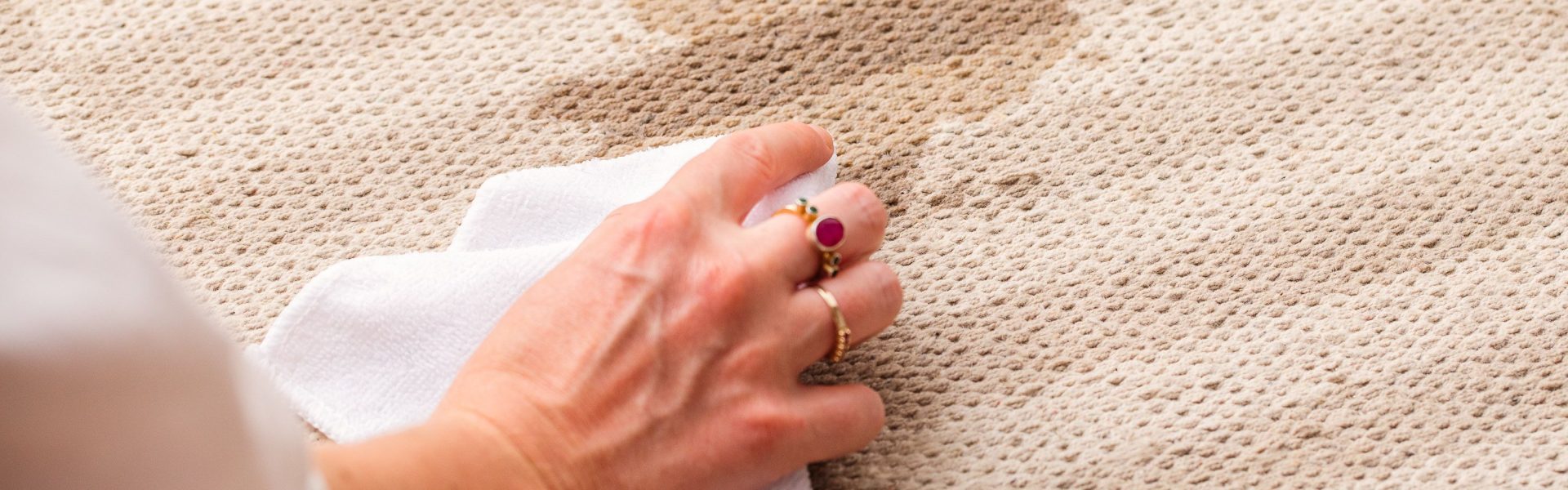
Acting quickly when a spill occurs is crucial. Fresh stains are much easier to remove than dried ones. Blotting the stain with a clean cloth or paper towel helps absorb excess liquid. Avoid rubbing, as this can push the stain deeper into the fibers. For solid spills, gently lift debris with a spoon or blunt knife before applying any cleaning solution. Immediate action reduces the likelihood of permanent damage.
Choosing the Right Cleaning Solution
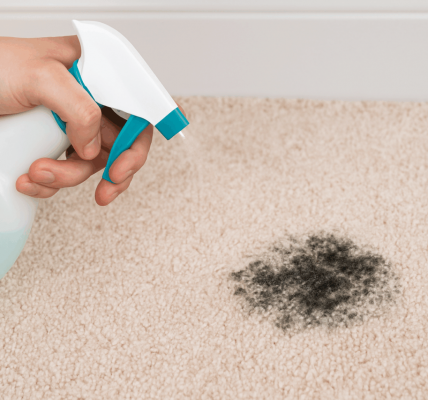
Using the correct cleaning solution depends on the type of stain and carpet fiber. Water-based stains, such as coffee, juice, or soft drinks, respond well to mild detergent mixed with warm water. Grease-based stains, including oils or butter, often require solvents or specialized cleaners. Testing any cleaning solution on a hidden section of the carpet ensures it does not cause discoloration. Following this precaution preserves the carpet’s original appearance.
Step-by-Step Stain Removal Techniques
Liquid Spills
For liquid spills, start by blotting with a dry cloth. Avoid applying excessive pressure. Next, use a mixture of mild detergent and warm water. Apply the solution gently and blot the area repeatedly. Rinse with clean water afterward to remove any soap residue. Finally, pat dry with a towel and allow the carpet to air dry completely.
Grease and Oil Stains
Grease stains require a different approach. Sprinkle absorbent powder, such as baking soda or cornstarch, on the affected area. Let it sit for a few hours to draw out the grease. Vacuum the powder thoroughly. Then, use a small amount of dishwashing liquid mixed with warm water to treat remaining residue. Blot carefully until the stain fades. Properly drying the area prevents new dirt from adhering.
Pet Stains
Pet stains can be stubborn due to odor and bacteria. Begin by blotting excess moisture. Apply an enzyme-based cleaner to break down organic matter. Gently work the solution into the fibers, ensuring complete coverage. Rinse with clean water and blot dry. Regularly cleaning pet stains prevents lingering odors and discourages pets from returning to the same spot.
Red Wine and Coffee Stains
Red wine and coffee are common household stains. Blot immediately with a clean cloth. For red wine, sprinkle salt or baking soda over the stain to absorb the liquid. For coffee, use a mixture of white vinegar and water. Apply the solution gradually, blotting frequently. Rinse the carpet with water and dry thoroughly. Repeated treatment may be necessary for older or larger stains.
Avoiding Common Mistakes
Several common mistakes can worsen carpet stains. Rubbing the stain can spread it and damage fibers. Using excessive water may cause mold growth or backing damage. Harsh chemicals can discolor or weaken carpet material. It is essential to follow recommended techniques and cleaning solutions carefully. Patience and precision lead to more successful stain removal.
Deep Cleaning Options
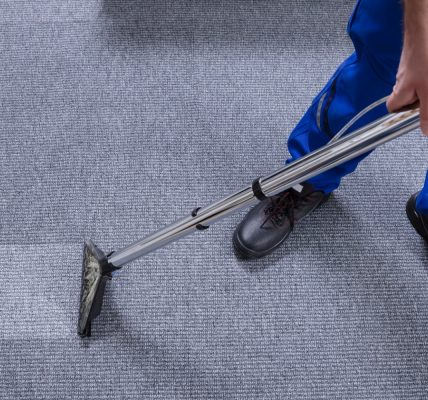
For persistent or widespread stains, professional cleaning may be required. Steam cleaning, also known as hot water extraction, penetrates deep into the fibers to remove dirt and stains. Dry carpet cleaning uses minimal moisture with specialized powders and brushes. These methods restore the carpet’s appearance and prolong its lifespan. Regular professional cleaning complements routine home maintenance.
Maintenance Tips to Prevent Stains
Preventive measures reduce the frequency and severity of stains. Using area rugs in high-traffic zones protects the carpet underneath. Implementing a no-shoes policy indoors limits dirt accumulation. Promptly wiping spills prevents absorption. Rotating furniture occasionally ensures even wear. Maintaining a clean environment contributes to the overall hygiene and appearance of carpets.
Handling Stains Safely
Safety is an important consideration during carpet cleaning. Avoid mixing cleaning chemicals, as reactions may produce harmful fumes. Wear gloves when handling strong solutions. Ensure proper ventilation in the room to minimize exposure to cleaning agents. Choosing safer, eco-friendly products can protect both the carpet and the household environment.
Eco-Friendly Cleaning Alternatives
Eco-friendly methods are becoming increasingly popular for stain removal. Solutions made from vinegar, baking soda, or lemon juice provide effective cleaning without harmful chemicals. These alternatives reduce environmental impact and are safe for children and pets. While they may require more time and effort, their benefits for health and sustainability make them worthwhile.
Knowing When to Seek Professional Help
Certain stains may require professional intervention. Older stains, heavily soiled carpets, or delicate fibers may not respond to home methods. Professionals have specialized tools and solutions that ensure deep cleaning without causing damage. Seeking expert assistance ensures the carpet’s quality is preserved and prevents irreversible discoloration.
Regional Cleaning Services
For those living in specific areas, accessing local cleaning services can be beneficial. For instance, residents looking for efficient solutions may explore options such as carpet cleaning in Bunbury to address tough stains. Local services often understand regional challenges, such as specific carpet types and common household stains, providing tailored guidance and effective results.
Conclusion
Removing stains from carpets requires timely action, suitable cleaning solutions, and careful techniques. Different stains demand distinct approaches, and understanding carpet fibers plays a key role. Preventive measures and regular maintenance can minimize damage and prolong the carpet’s lifespan. When necessary, professional cleaning ensures thorough results. By combining knowledge, patience, and proper methods, carpets can remain clean, fresh, and visually appealing.