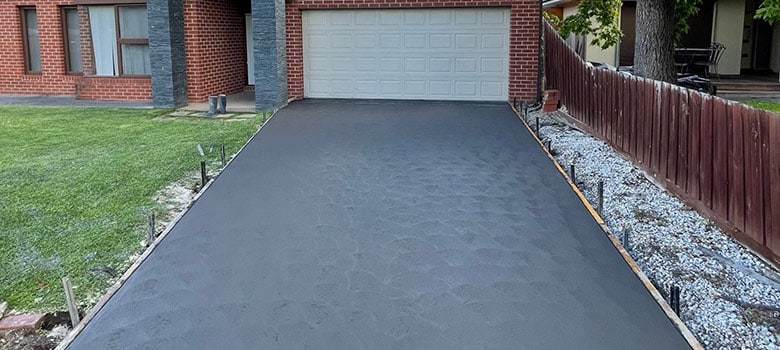

A coloured concrete driveway shapes first impressions, yet its condition depends on routine care rather than occasional attention. Sun, rain, tyre friction, leaf tannins, and engine fluids gradually alter colour depth and surface texture. Sensible upkeep protects slip resistance, limits staining, and reduces premature wear along joints or edges. Most problems begin quietly, then spread after moisture, heat, or grime remain in contact with the slab for extended periods.
Clean on a Simple Schedule
Daily use leaves behind grit, organic debris, and fine dust that slowly abrade the surface under foot traffic or tyres. For any coloured concrete driveway, a steady plan matters more than intense cleaning done infrequently. Weekly sweeping removes abrasive particles, while a gentle rinse every few weeks lifts residue before it bonds. These simple habits also help householders notice fresh stains, dull patches, or drainage changes before larger maintenance issues appear.
Treat Spills Before They Set
Fresh spills should be addressed promptly because pigments, oils, and acidic residue can migrate into the sealer or porous top layer. Motor oil, grease, fertiliser, and plant matter are common culprits. Mild soap with warm water often works well during the early stage. Strong degreasers or bleach may disturb colour uniformity, leaving pale sections or roughened texture that later collect additional grime with greater ease.
Use the Right Cleaning Tools
Cleaning results depend heavily on tool choice. Wire brushes can score the finish, while aggressive pressure washing may strip protective coating from exposed sections. A soft broom, non-abrasive brush, and moderate water flow usually provide enough force for ordinary maintenance. Heavy items should also be lifted rather than dragged across the slab. Repeated scraping from bins, planters, or equipment often leaves marks that remain visible after washing.
Reseal at the Proper Time
Sealer acts as the main barrier against the following:
- Moisture entry
- Surface staining
- Ultraviolet exposure
- Gradual colour fade
This kind of layer wears down with traffic and weather, so periodic renewal remains important. Common warning signs include patchy sheen, quicker darkening after rain, or stains that no longer lift easily. Before a new coat is applied, the slab should be completely dry and free from residue that could impair adhesion.
Keep Water Moving Away
Water management affects appearance and structural health more than many owners expect. Pooled runoff can leave mineral deposits, encourage biological growth, and place ongoing stress on weaker areas. Downpipes, garden edging, and surrounding grades should send flow away from the slab whenever practical. If puddles persist after rain, the pattern deserves attention early. Ongoing pooling may suggest blocked drainage, settlement, or nearby soil movement requiring correction.
Reduce Heavy Stress
Concrete tolerates load well, yet repeated concentrated pressure can still produce visible wear over time. Large vehicles parked in one position may deepen tyre marks or exaggerate surface dullness. Tight turning movements create added friction, especially during hot conditions when some sealers soften slightly. Weight-distribution boards beneath trailers, skips, or service machinery can help protect vulnerable edges. Small preventive measures often preserve both finish quality and slab stability.
Plan for Heat and Shade
Seasonal exposure influences how the surface ages. Intense sunlight can dry and fade protective coating, while shaded zones may stay damp long enough for mildew growth. Nearby shrubs and overhanging branches should be trimmed where practical to improve airflow and encourage more even drying. Summer inspections help identify tyre scuffing or sealer softening. Cooler months are better for checking moisture retention, slippery patches, and slow-draining sections.
Check Small Cracks Early
Hairline cracks or minor chips can seem cosmetic at first, but they often widen after water enters and temperature shifts continue. Early repair limits deeper penetration and helps preserve the finish around affected spots. Close attention should be paid to joints, edges, and low points where moisture lingers. If separation increases, levels change, or adjacent sections shift, a qualified contractor should assess the cause before broader deterioration occurs.
Conclusion
Long-term performance relies on regular sweeping, prompt spill treatment, careful washing, sound drainage, and timely resealing. Each step is simple, and together they protect colour, texture, and structural condition. Small defects deserve early attention because delayed action usually increases repair demands and visible wear. With consistent care built into ordinary property maintenance, the driveway stays cleaner, safer underfoot, and more visually even across changing seasons and daily use.