
Introduction
Households are seeking practical ways to reduce power consumption without sacrificing comfort. Domestic hot water heat pumps address a major daily demand by transferring warmth from surrounding air into stored water. This process can require less electricity than conventional heating methods. With suitable sizing, insulation, and usage habits, the technology supports lower operating costs. It also helps residents make better use of available energy while maintaining reliable showers, laundry, and kitchen cleaning throughout the year.
Why Hot Water Matters
Hot water can represent a sizeable share of household power use, especially where showers, laundry, and dishwashing happen daily. A heat pump moves warmth from surrounding air into stored water. For homes assessing lower running costs, domestic hot water heat pumps offer a practical option. Their value comes from efficient heat transfer, measured storage, and steady performance during routine demand.
How Heat Transfer Reduces Power Use
Traditional electric elements create warmth directly inside a tank. A heat pump instead collects existing thermal energy from air, then raises its temperature for water heating. This method can produce more usable heat from each unit of electricity consumed. Actual savings depend on outdoor conditions, settings, insulation, hot-water volume, and household routines. Correct installation remains essential for dependable results.
Storage Supports Better Timing
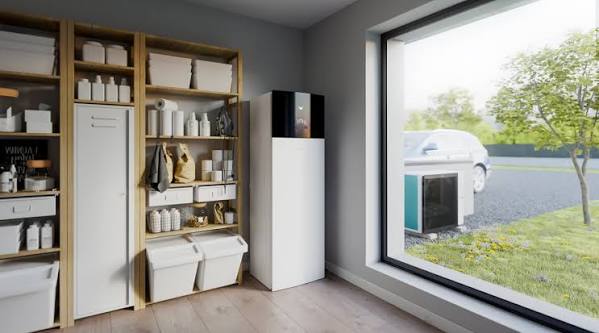
A storage cylinder allows heating to occur before demand peaks. Water can be warmed during suitable periods, then held for later showers or cleaning tasks. The all-in-one units listed on the inspected page include 200-litre or 270-litre tanks. Such capacity gives households a useful reserve, although selection should reflect occupancy, bathing patterns, and available installation space.
Capacity Must Match Household Demand
Oversized equipment may use unnecessary space and cost more than needed. Undersized storage can cause shortages during busy mornings or evening routines. Household size, shower duration, appliance use, and guest frequency all influence capacity decisions. A qualified installer can assess these factors before recommending equipment. Careful matching supports comfort without adding avoidable consumption or cycling.
Efficient Settings Protect Comfort
Temperature controls affect both energy use and daily convenience. Excessively high settings increase heat loss and may create safety concerns. Lower settings can reduce available supply if demand remains heavy. Professional commissioning helps establish suitable operating limits, recovery periods, and safety controls. Regular checks also help identify unusual noise, poor heating, or falling performance before larger faults develop.
New Zealand Conditions Need Consideration
New Zealand homes experience varied temperatures, from mild coastal areas to colder inland districts. Outdoor air conditions influence how efficiently a heat pump gathers warmth. The inspected product page states that its hydronic systems use inverter operation and refrigerant options intended for harsh New Zealand conditions. Household location, shelter, pipe insulation, and placement should still guide the final equipment choice.
Refrigerant Options and System Types
The inspected range includes hydronic heat pumps from four to 22 kilowatts, plus a dedicated hot-water model. Listed systems use either R32 or R290 refrigerants, while product specifications vary by model. Some units include circulation pumps, and one range includes an expansion vessel. These details affect installation planning, servicing needs, system layout, and total project cost.
Installation Influences Long-Term Results
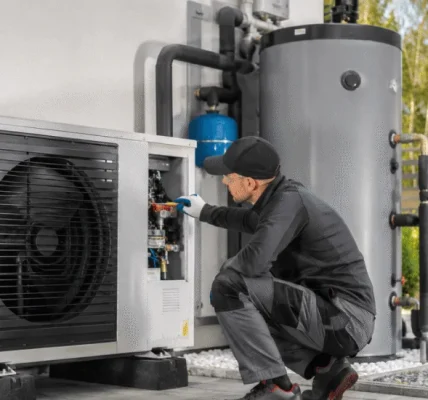
A suitable position supports airflow, drainage, access, and safe servicing. Pipe routes should remain short where practical, with strong insulation around hot-water connections. Poor placement can increase heat loss or create unwanted sound near living areas. Installers also need to check electrical supply, structural support, clearances, and local requirements before commissioning equipment.
Everyday Habits Add Further Savings
Shorter showers reduce demand more effectively than many small changes elsewhere. Full laundry and dishwashing loads help limit repeated reheating. Insulated pipes and a well-sealed cylinder reduce standing losses between uses. Residents can also monitor unusual power increases, temperature changes, or recovery delays. Simple observations give households useful information about performance and maintenance needs.
Conclusion
Domestic hot water heat pumps support efficient living by transferring available air warmth into stored water, rather than creating every unit of heat directly. Their results depend on correct capacity, suitable placement, effective insulation, and sensible controls. Households can improve value by matching equipment with real demand and maintaining it properly. With these measures, reliable hot water can align with lower electricity use and more considered household energy management.