
Maintaining clean and fresh upholstery can transform the appearance of any living space. Over time, sofas, chairs, and cushions accumulate dust, stains, and lingering odors. Regular cleaning is essential not only for aesthetics but also for preserving the lifespan of furniture. While professional help is an option, many homeowners prefer simple, effective DIY techniques that can be applied with common household items. This article explores practical methods for upholstery care that deliver results without complicated procedures.
Understanding Upholstery Materials
Different fabrics respond uniquely to cleaning methods. Cotton, linen, polyester, microfiber, and leather each require careful attention. Testing any solution on a small, hidden area first is essential to avoid discoloration or damage. Natural fibers tend to absorb stains quickly, whereas synthetic materials are generally more resistant. Leather, though durable, can crack if exposed to harsh chemicals or excessive moisture. Recognizing the type of fabric ensures cleaning efforts produce the best possible outcome.
Removing Surface Dust and Debris
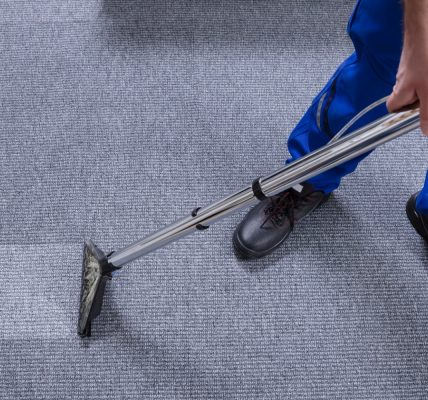
Dust and loose particles contribute to a dull appearance and can cause wear over time. Regular vacuuming is one of the simplest ways to maintain upholstery. A vacuum cleaner with an upholstery attachment reaches crevices and seams effectively. Light brushing with a soft-bristled brush also helps lift dust from textured surfaces. These steps should be performed weekly to prevent buildup and reduce the frequency of deeper cleanings.
Tackling Everyday Stains
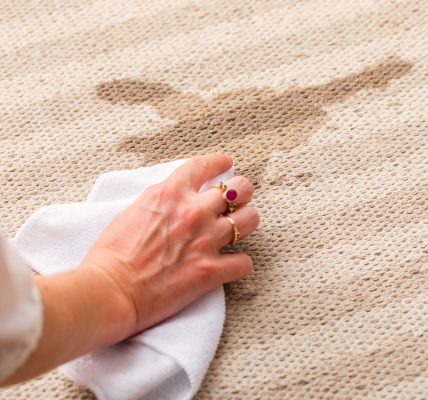
Spills are inevitable, but quick action can prevent permanent damage. Blotting, rather than rubbing, stops liquids from spreading and minimizes fabric stress. Cold water is suitable for most stains, while warm water may be necessary for greasy marks. Mild dish soap or gentle laundry detergent diluted in water can serve as a cleaning solution. A soft cloth or sponge should be used to dab the stain gently. Once the spot is treated, excess moisture must be removed by pressing a dry cloth or paper towel against the area. Patience is key, as repeating the process may be necessary for stubborn stains.
Using Baking Soda for Freshness
Baking soda is an inexpensive and versatile tool for maintaining upholstery. Sprinkling a thin layer over cushions or fabric surfaces helps neutralize odors and absorb residual moisture. After letting it sit for at least fifteen minutes, vacuuming it thoroughly restores a fresh appearance. For stronger odors, such as from pets or smoke, leaving the baking soda overnight can enhance results. This method works well in combination with surface dust removal and spot cleaning.
Vinegar Solutions for Stain Control
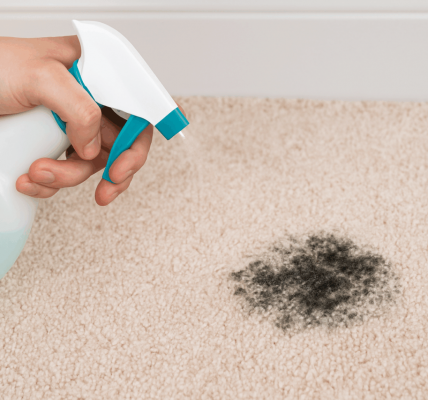
White vinegar offers mild acidity that can break down many types of stains without harming most fabrics. Mixing equal parts of vinegar and water in a spray bottle allows for easy application. Lightly mist the affected area and use a soft cloth to blot the stain. The vinegar scent dissipates as the fabric dries, leaving no lasting odor. Caution is advised with delicate or water-sensitive materials, and always test a small area first. Vinegar solutions are particularly effective against food and beverage spills.
Steam and Heat for Deep Cleaning
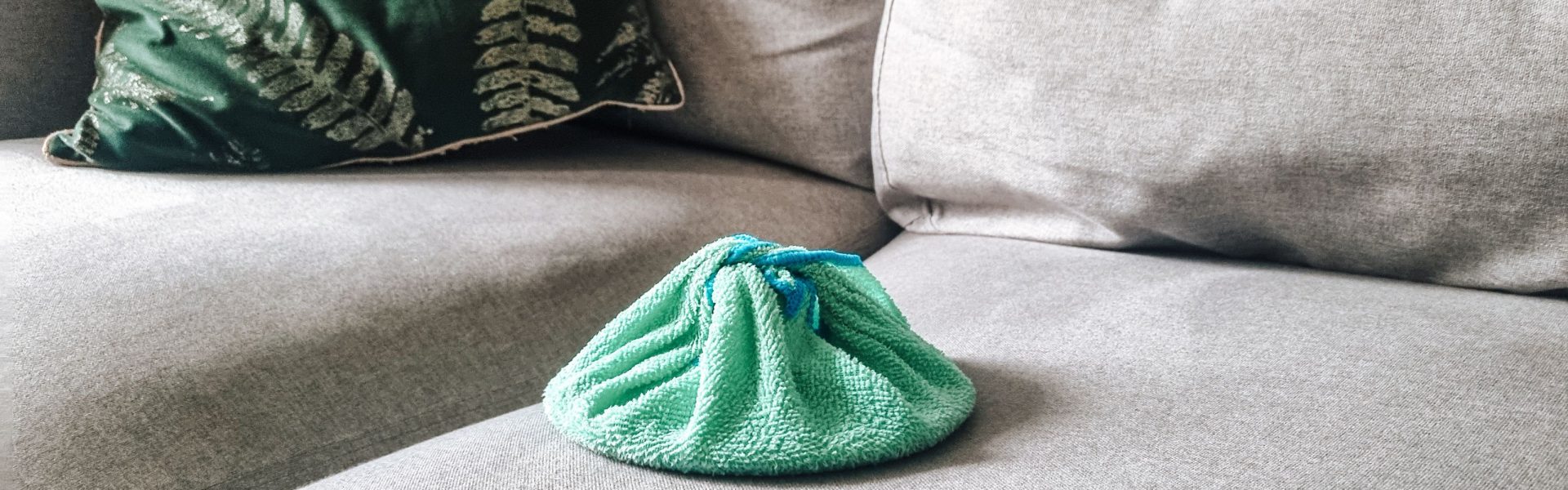
Heat can help lift dirt from deep within fibers, though it must be used carefully. Steamers designed for upholstery release hot vapor that loosens grime without soaking the material. For those without a steamer, a damp cloth heated in a microwave briefly can mimic this effect on a small scale. Avoid direct contact with leather or highly textured fabrics, as excessive moisture can cause damage. Steam cleaning is best followed by thorough drying to prevent mildew growth.
Tackling Pet Hair and Dander
Pet owners face unique challenges with upholstery maintenance. Hair tends to cling to fabric fibers, and dander can accumulate quickly. Rubber gloves or specialized pet hair brushes effectively remove loose hair from most surfaces. Running a dampened sponge over cushions can also lift trapped hair. Regular grooming of pets and vacuuming the surrounding area reduces ongoing accumulation. Combining these practices with routine cleaning ensures a comfortable and hygienic environment.
Maintaining Leather Upholstery
Leather requires a different approach compared to fabric upholstery. Gentle cleaning with a damp cloth removes dust without scratching the surface. For deeper cleaning, mild soap or a dedicated leather cleaner can be applied sparingly. Avoid harsh detergents or excessive water, which can dry out the material. Conditioning leather periodically restores flexibility and prevents cracking. Ensuring proper ventilation during and after cleaning helps the material retain its natural texture and appearance.
Dealing With Odors Naturally
Odors can linger even after visible stains are removed. Natural methods are often safer than chemical sprays. Besides baking soda, sprinkling cornstarch on cushions can absorb moisture and odor. Allowing furniture to air out in sunlight or near open windows can also improve freshness. For fabrics that tolerate moisture, a light mist of water mixed with essential oils provides a subtle scent while remaining non-damaging. Consistency is critical, as repeated treatment ensures long-term odor control.
Preventing Future Stains
Prevention is more efficient than repeated cleaning. Simple habits can significantly extend the life of upholstery. Placing removable covers on frequently used furniture protects the fabric. Encouraging guests and family members to avoid eating or drinking directly on furniture reduces spills. Rotating cushions ensures even wear, while periodic vacuuming prevents dust accumulation. Over time, these practices minimize the need for extensive cleaning and maintain a polished look.
When to Seek Professional Assistance
DIY methods are effective for routine maintenance and minor stains, but some situations require expert care. Deep-set stains, water damage, or delicate antique fabrics may benefit from professional intervention. Choosing experienced providers ensures that cleaning methods are safe and thorough. Homeowners can search for reputable providers offering services in their area. For example, those in Adelaide may consider options like upholstery cleaning Services in Adelaide for comprehensive care. Professional help can complement DIY routines by addressing challenges that are difficult to manage alone.
Combining DIY and Professional Care
A hybrid approach often yields the best results. Regular DIY maintenance keeps furniture presentable and extends the intervals between professional treatments. Meanwhile, periodic professional cleaning ensures deep stains and odors are thoroughly removed. Planning cleaning schedules around usage patterns and fabric types allows for efficient upkeep. Integrating these practices supports a healthy living environment while maintaining furniture in optimal condition.
Final Thoughts
Consistent attention to upholstery preserves both appearance and durability. Using simple household items like baking soda, vinegar, and mild soap can achieve noticeable results without complex procedures. Understanding fabric types and adopting preventive habits further enhances effectiveness. While some situations call for expert help, most day-to-day issues can be addressed with careful, methodical techniques. By applying these DIY cleaning hacks, homeowners can enjoy clean, fresh, and inviting furniture without unnecessary stress.