
Maintaining a clean driveway enhances the overall appearance of a home. Regular upkeep prevents stains, algae growth, and moss accumulation, keeping surfaces safe and visually appealing. Homeowners can implement simple cleaning techniques using readily available materials. By understanding the steps involved, driveway maintenance becomes straightforward and manageable.
Understanding Driveway Surfaces
Driveways consist of various materials, such as concrete, asphalt, pavers, or gravel. Each surface requires specific care to prevent damage. Concrete driveways can develop cracks or stains if neglected. Asphalt surfaces may soften under excessive heat or harsh chemicals. Paver driveways need attention to prevent weed growth between joints. Gravel driveways, while easier to maintain, require periodic leveling and debris removal. Identifying the type of driveway ensures the cleaning methods applied are both effective and safe.
Safety Preparations Before Cleaning
Proper preparation is essential before beginning any cleaning task. Protective gear, such as gloves, goggles, and closed-toe shoes, reduces the risk of injury. Clearing the area of vehicles, outdoor furniture, and loose debris prevents accidents and allows unobstructed cleaning. Homeowners should also assess weather conditions; working during dry, calm days ensures water-based cleaning methods are most effective. Safety precautions preserve both the driveway and the person performing the maintenance.
Removing Loose Dirt and Debris
The first step in driveway cleaning involves eliminating loose particles. Sweeping the surface with a stiff-bristled broom removes dust, leaves, and small stones. For larger driveways, a leaf blower may speed up the process. Loose debris can trap moisture, leading to mold or algae growth. Regularly removing these materials keeps the surface safe and reduces the need for intensive cleaning sessions.
Tackling Stubborn Stains
Driveways often accumulate stains from oil, grease, or rust. Addressing these spots early prevents permanent discoloration. A mixture of water and mild detergent can lift general stains. For oil marks, absorbent powders such as baking soda or cat litter draw out excess liquid. Rust stains may require specialized removers that are safe for the driveway material. Applying the cleaning agent and allowing it to sit for several minutes enhances effectiveness. Scrubbing with a stiff brush ensures deep penetration without damaging the surface.
Power Washing Techniques
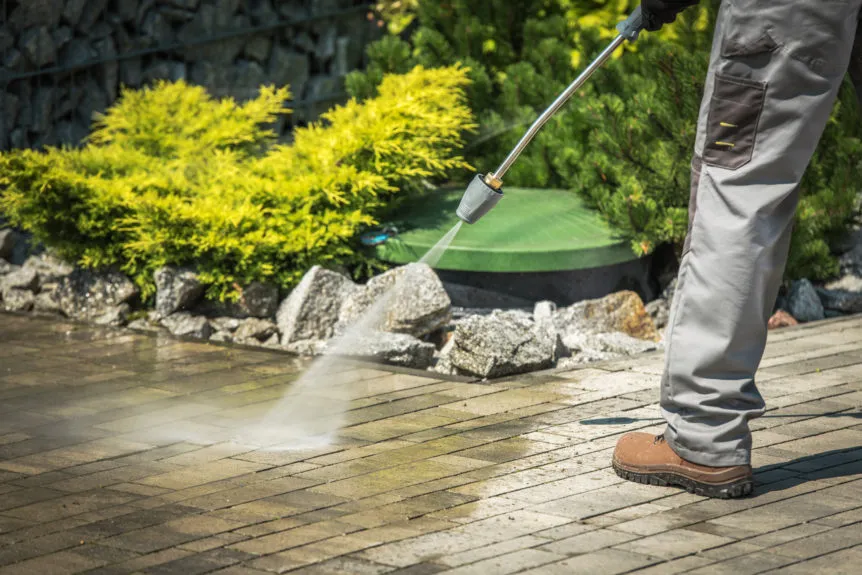
Power washing offers an efficient method for thorough cleaning. Pressure washers can remove dirt, moss, and algae from large areas quickly. Homeowners must adjust the pressure according to the driveway type to avoid surface erosion. Maintaining a consistent distance while spraying prevents streaks and uneven cleaning. Combining a power washer with a mild detergent solution can enhance results, especially on concrete or paver surfaces. This technique restores the original appearance and removes accumulated grime that sweeping alone cannot address.
Preventing Moss and Algae Growth
Moss and algae thrive in damp, shaded areas. Preventing their growth reduces the risk of slippery surfaces. Regular sweeping keeps moisture from settling, while adequate sunlight exposure discourages persistent patches. For heavily shaded driveways, natural solutions such as vinegar or diluted bleach can control algae. Applying these solutions carefully and rinsing thoroughly protects surrounding plants and prevents surface damage. Routine attention ensures long-term cleanliness and reduces intensive maintenance efforts.
Maintaining Joint Integrity on Paver Driveways
Driveways made of interlocking pavers require special attention to joint areas. Weeds and grass can sprout in gaps, compromising stability and appearance. Removing vegetation by hand or using safe herbicides preserves the integrity of the pavers. After cleaning, refilling joints with sand prevents movement and reduces weed growth. This method prolongs the lifespan of pavers while maintaining an attractive, uniform surface.
Cleaning Gravel Driveways
Gravel driveways need consistent care to remain functional and visually appealing. Raking the surface redistributes loose stones and smooths uneven areas. Removing debris such as leaves or twigs prevents organic matter from accumulating and encouraging moss growth. Periodic addition of fresh gravel replenishes worn areas and maintains an even surface. Homeowners can also edge the driveway to prevent gravel from spreading into lawns or flower beds, reducing maintenance requirements over time.
Eco-Friendly Cleaning Options
Using environmentally friendly cleaning solutions minimizes harm to plants, pets, and water systems. Homemade mixtures of vinegar, baking soda, or mild dish soap provide effective alternatives to harsh chemicals. Diluted solutions applied with a brush or low-pressure washer can clean driveways without risking damage. Eco-friendly approaches combine safety with practicality, making them suitable for regular maintenance routines. Homeowners benefit from clean surfaces while supporting a healthier environment.
Seasonal Driveway Care
Seasonal changes affect driveway conditions and maintenance needs. Spring brings growth of weeds and moss, requiring thorough cleaning. Summer heat can harden stains, making removal more challenging. Autumn leaves accumulate rapidly, necessitating frequent sweeping. Winter conditions introduce ice, snow, and salt residues, which can damage concrete or asphalt. Planning seasonal maintenance ensures the driveway remains safe and attractive throughout the year.
When to Seek Professional Assistance
Some tasks may exceed the capabilities of home-based cleaning methods. Deep oil stains, extensive moss coverage, or structural damage require specialized care. Professional providers offer techniques and equipment that restore driveways efficiently. Accessing reliable driveway cleaning services ensures safety and preserves the longevity of the surface. Homeowners can consider driveway cleaning Services in Bournemouth for situations that require expert attention while managing regular maintenance independently.
Long-Term Driveway Maintenance Tips
Consistent care prevents costly repairs and preserves curb appeal. Sweeping, spot cleaning, and occasional power washing form the foundation of effective maintenance. Applying sealants to concrete or asphalt surfaces extends lifespan and protects against stains and weathering. Encouraging proper drainage prevents water accumulation and reduces moss or algae formation. By integrating these habits into routine upkeep, homeowners enjoy a clean, safe, and visually pleasing driveway with minimal effort.
Conclusion
Maintaining a clean driveway is achievable with basic tools, attention, and routine care. Identifying the surface type, removing debris, addressing stains, and preventing moss growth ensures a long-lasting, attractive exterior. Seasonal and joint maintenance further enhance durability and appearance. While some challenges may necessitate professional assistance, most homeowners can perform effective cleaning at home. Implementing these strategies creates a safe, welcoming environment and enhances the overall charm of any property.