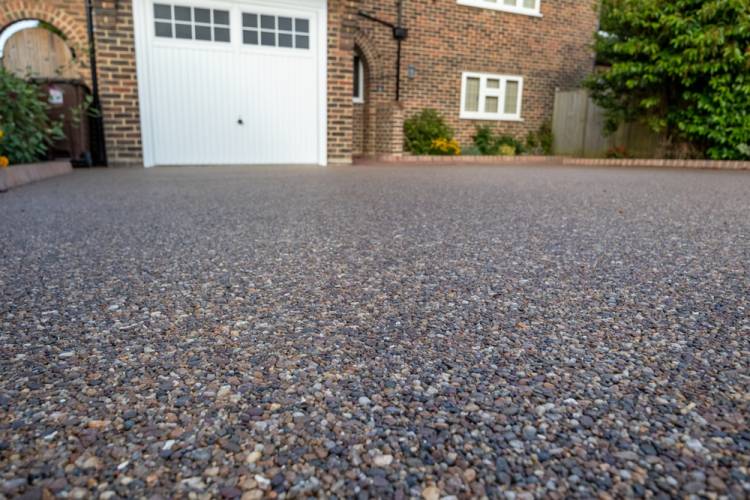

Exposed aggregate driveways combine decorative stone with a concrete base, giving residential entrances a textured surface and practical daily performance. The finish suits Melbourne properties and homes across Australia that need more visual interest than plain concrete without relying on constant upkeep. Several factors work together to determine how well the finish performs over time.
Its success depends on sound preparation, correct installation, drainage, sealing, and routine cleaning. Homeowners who understand these factors can choose an aggregate concrete driveway that matches the property, handles regular traffic, and remains easier to maintain over time. The following sections cover each stage, from appearance selection through to ongoing care.
Why the Finish Stands Out
Exposed aggregate concrete reveals selected stones across the surface after the cement paste is removed. The result creates colour, texture, and visual depth while retaining the solid structure of a concrete driveway. Stone size and colour influence the final appearance, so the material should complement the home, landscaping, and surrounding paving.
A carefully planned aggregate concrete driveway gives an entrance a distinct surface without requiring painted patterns or decorative overlays. The exposed stones create natural variation, which helps disguise minor dust and everyday marks. A consistent finish also depends on even aggregate distribution, accurate edging, and controlled surface exposure during installation.
How the Surface Is Built
Installation begins with excavation and subgrade preparation. The ground must support the slab evenly, with unsuitable soil removed and the base compacted before concrete placement. Poor preparation creates movement beneath the slab, which increases the risk of cracking, settlement, and uneven edges.
Formwork sets the driveway’s shape and levels, while reinforcement supports the concrete through normal loading and temperature changes. Contractors also plan control joints before pouring. These joints guide expected shrinkage cracks into selected locations, protecting the appearance of larger visible areas.
Drainage needs attention before the concrete arrives. The driveway should direct water away from the house, garage, and neighbouring surfaces. Correct falls reduce standing water, limit surface staining, and protect nearby foundations from repeated runoff.
Durability Depends on Preparation
Like all concrete slabs, exposed aggregate handles vehicle loads effectively when it has suitable thickness, reinforcement, and ground support. Driveway performance also depends on traffic patterns, soil conditions, climate, and the quality of finishing work. A properly compacted base reduces movement beneath the concrete, while accurate joint placement manages natural shrinkage.
Edges deserve particular care because they receive more stress from tyres, turning movements, and nearby garden areas. Solid formwork keeps the perimeter straight during placement. Adequate curing time allows the concrete to gain strength before regular vehicles use the driveway.
Sealing Protects the Surface
A sealer helps limit water absorption, oil penetration, and staining across the exposed aggregate. It also supports easier cleaning and helps maintain the surface colour. The correct product and application method depend on the aggregate type, concrete condition, weather, and expected traffic.
Sealing should follow the installer’s recommended curing period rather than occur immediately after placement. Applying sealer too early can trap moisture and affect the finish. Future resealing intervals depend on weather exposure and wear, so the surface should be checked when water stops beading or stains become harder to remove.
Simple Maintenance Practices
Routine cleaning requires sweeping, water, and a mild detergent for most household marks. Oil, grease, and organic stains should be treated promptly because porous areas become harder to clean after contaminants remain in place. A stiff nylon brush works better than metal tools, which can damage the surface or dislodge exposed stones.
Pressure washing requires controlled pressure and a suitable nozzle distance. Excessive force can remove surface material or create uneven patches. Homeowners should also avoid harsh chemicals, de-icing salts, and abrasive cleaning methods unless a concrete professional confirms their suitability.
Common Problems to Avoid
Tree roots, poor drainage, heavy point loads, and ground movement create risks for any driveway surface. Parking large vehicles in the same location repeatedly can increase localised wear, especially where the supporting base has weaknesses. Prompt repairs prevent small cracks from allowing more water into the slab.
Snow and ice treatment requires care in colder climates. Salt can affect concrete surfaces, while repeated freezing and thawing can worsen existing cracks. Clearing water from low points and maintaining nearby drainage reduces exposure to these conditions.
Choosing the Right Finish
The best aggregate selection depends on the home’s exterior colours, the desired texture, and practical cleaning needs. Larger stones create more surface character, while smaller aggregate can produce a more uniform walking surface. Samples should be viewed outdoors because sunlight changes how stone and cement colours appear.
A contractor should explain the proposed base, reinforcement, joints, curing process, sealer, and maintenance requirements before work begins. Clear details make it easier to compare quotations and identify whether the installation plan suits the property’s ground conditions.
Conclusion
An exposed aggregate driveway combines a decorative finish with the load-bearing structure of concrete, but its performance begins beneath the visible surface. Proper ground preparation, drainage, reinforcement, curing, joint placement, and sealing all affect the finished result. Regular sweeping and prompt stain removal keep maintenance manageable. Before approving a project, homeowners should request a written installation specification, confirm the proposed aggregate sample, and establish a cleaning and resealing routine suited to local conditions.