
Mold growth in carpets can create significant discomfort and potential health concerns. Moisture, poor ventilation, and organic debris create a favorable environment for mold spores to thrive. While some may attempt to clean affected areas themselves, improper handling can worsen the situation. Understanding effective strategies for mold removal helps maintain a clean and safe home environment.
Carpets are especially vulnerable because they trap water, dirt, and humidity, providing ideal conditions for mold proliferation. Recognizing early signs, such as musty odors, discoloration, or allergic reactions, can prevent long-term damage. This guide explains practical approaches to remove mold from carpets safely and efficiently.
Identifying Mold in Carpets
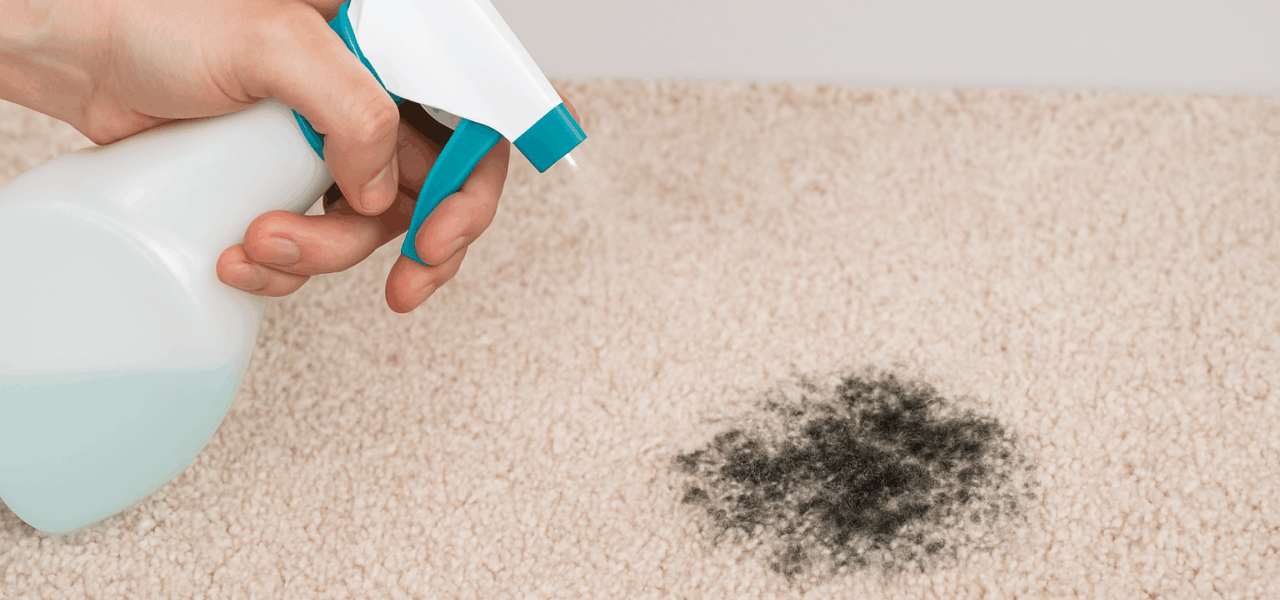
Recognizing mold at its early stage is crucial. Mold often appears as black, green, or white spots, usually in damp or shaded areas. In addition to visible growth, a persistent musty smell is a strong indicator. Carpet fibers absorb moisture from spills, leaks, or high humidity, creating hidden mold colonies beneath the surface.
Health symptoms can also signal mold presence. Sneezing, coughing, itchy eyes, or skin irritation may indicate exposure. Individuals with respiratory conditions or weakened immune systems are particularly sensitive. Detecting these signs early allows timely intervention before extensive damage occurs.
Safety Precautions Before Cleaning
Safety is paramount when handling mold. Mold spores can become airborne, increasing the risk of respiratory problems. Wearing protective gear, including gloves, masks, and goggles, minimizes direct contact. Ensuring adequate ventilation by opening windows or using fans reduces airborne spores in enclosed spaces.
Carpets heavily infested with mold may require professional assessment. Attempting to clean extensive mold growth without proper knowledge can release spores throughout the home. Evaluating the severity of the infestation helps determine whether DIY methods are sufficient or professional assistance is necessary.
Initial Drying and Moisture Control
Moisture control is the first step in mold remediation. Carpets should be dried thoroughly to prevent further growth. Absorbing excess water with towels or using a wet-dry vacuum can reduce dampness. Placing fans or dehumidifiers near the affected area accelerates the drying process.
It is essential to identify the source of moisture. Leaks from plumbing, windows, or appliances must be repaired to prevent recurrence. Without addressing the underlying cause, any cleaning efforts may be temporary, allowing mold to return quickly.
DIY Mold Removal Methods
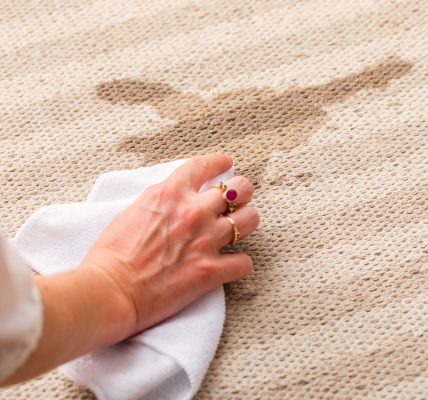
Several household solutions can remove minor mold infestations. Using a mixture of water and mild detergent allows gentle cleaning without damaging carpet fibers. A soft brush can help loosen mold, while blotting rather than rubbing prevents spore spread.
Vinegar is another effective option. Its acidic nature helps inhibit mold growth. Spraying a diluted vinegar solution onto the carpet and allowing it to sit before blotting with a clean cloth can reduce mold presence. Baking soda can also aid in moisture absorption and odor elimination. Sprinkling it over the affected area and vacuuming after several hours provides an additional cleaning layer.
However, caution is necessary. Excessive moisture during DIY cleaning may worsen mold growth. Ensuring carpets dry completely after treatment is essential to prevent recurrence. Using fans and dehumidifiers after cleaning helps maintain a dry environment.
Deep Cleaning with Specialized Equipment
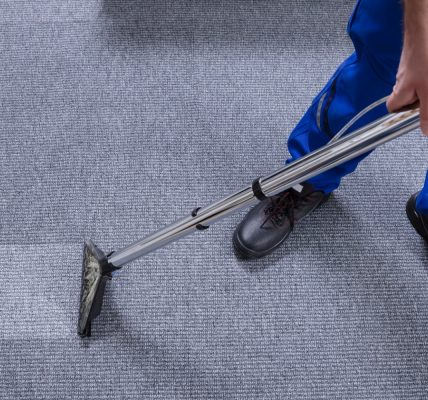
For larger areas or persistent mold, deep cleaning is more effective. Carpet steam cleaning machines provide heat and moisture extraction, reducing mold spores and bacteria. Professional-grade solutions target mold without harming carpet fibers. While some homeowners rent steam cleaners, proper technique and cleaning solutions are critical for success.
Vacuuming before deep cleaning removes loose spores, reducing the risk of spreading. High-efficiency particulate air (HEPA) vacuums capture fine particles that ordinary vacuums cannot. Combining vacuuming with steam cleaning improves overall results and ensures a cleaner carpet surface.
Preventing Mold Recurrence
Prevention is as important as removal. Maintaining low indoor humidity, preferably between 30% and 50%, minimizes mold growth. Regular carpet inspections, especially in high-risk areas such as basements or bathrooms, help detect early signs.
Immediate attention to spills or leaks is necessary. Prompt drying prevents moisture accumulation. Carpet protectors or mats in areas prone to dampness, such as entrances, can further reduce exposure. Ensuring proper airflow around furniture and walls also discourages mold development.
Using professional services periodically adds another layer of prevention. Services specializing in professional carpet cleaning in Ormeau offer techniques that remove deep-seated mold and prevent future infestations. Even in homes without visible mold, periodic cleaning helps maintain fiber integrity and hygiene.
When to Seek Professional Help
Some situations require professional intervention. Extensive mold infestations covering large areas may exceed DIY capabilities. Mold embedded deep within carpet padding or beneath floorboards may not be fully eliminated without specialized equipment.
Professional teams assess the severity of mold growth and apply treatments that are safe and effective. They can also provide guidance on replacing carpet sections when damage is irreparable. Consulting experts ensures a safer environment, particularly for homes with young children, elderly residents, or individuals with respiratory issues.
Safe Disposal of Moldy Materials
Carpets or padding heavily infested with mold may need removal. Safe disposal prevents spores from spreading to other areas. Wearing protective gear during removal is essential. Placing the materials in sealed plastic bags ensures containment.
Cleaning the surrounding area after removal reduces residual spores. Vacuuming with a HEPA filter and wiping surfaces with appropriate disinfectants helps prevent secondary growth. Proper disposal of contaminated materials is a critical step in comprehensive mold management.
Additional Tips for Carpet Maintenance
Regular carpet maintenance reduces the likelihood of mold formation. Vacuuming at least twice a week, especially in high-traffic areas, removes dirt and moisture. Rotating carpets and allowing sunlight exposure can also help inhibit mold growth.
Using moisture-absorbing products in humid regions supports a dry environment. Air circulation is equally important. Avoid placing heavy furniture in a way that traps moisture under the carpet, as this can create hidden mold colonies.
Awareness and consistent upkeep are key. A proactive approach reduces the time and effort needed for future cleaning. Homeowners who integrate regular inspections, prompt spill cleanup, and controlled humidity maintain a healthier and longer-lasting carpet.
Conclusion
Mold in carpets poses both aesthetic and health challenges. Addressing the issue early, using safe cleaning methods, and maintaining moisture control are essential steps. While minor infestations may be managed at home, extensive growth often requires professional intervention.
Understanding the factors that contribute to mold, implementing preventive measures, and knowing when to seek assistance ensures a clean and safe home environment. Integrating these strategies fosters a healthier living space while preserving the condition of carpets over time.