Introduction
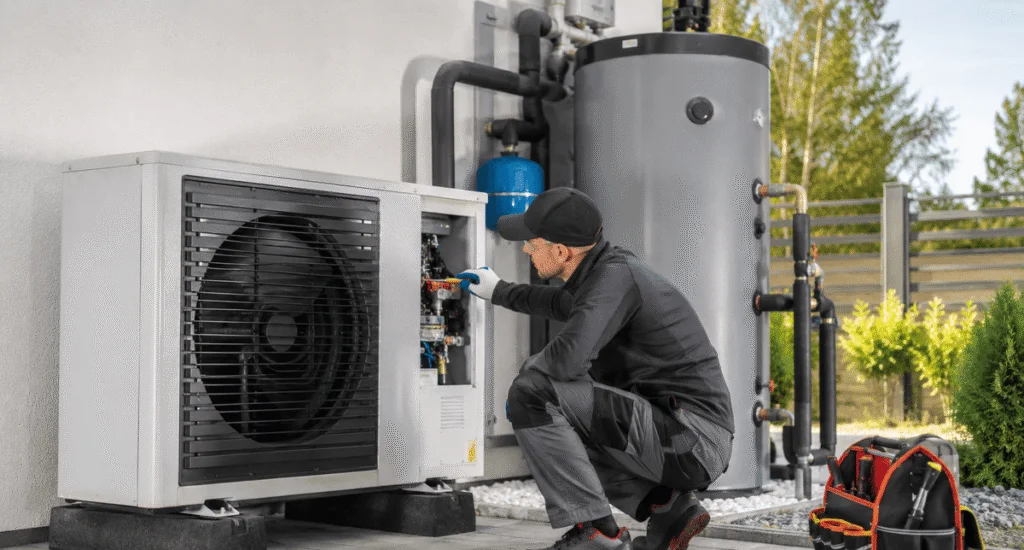
Commercial heat pumps move large volumes of air through offices, warehouses, retail sites, and public buildings. Their output affects comfort, energy bills, equipment life, and staff productivity. Professional servicing keeps each part working within expected limits. Regular inspections also reveal blocked filters, weak fans, sensor faults, and refrigerant loss before small issues become expensive interruptions. A planned schedule gives facility managers measurable control over performance throughout every season and supports better budget decisions.
Building a Clear Service Baseline
For many operators, maintenance begins with a clear service plan, rather than an emergency call. A qualified contractor records model details, operating hours, temperature settings, fault history, and energy readings. This baseline helps teams compare results after each visit. In Auckland, Commercial Heat Pump Maintenance in Auckland supports scheduled checks for commercial units, allowing faults to be found before comfort complaints interrupt daily work.
Why Efficiency Declines
Heat transfer falls when filters clog, coils collect dust, or outdoor units lose airflow. A dirty filter can reduce air movement by 10 to 20 percent, depending on site conditions. Lower circulation makes the compressor run longer. That extra workload increases power use and places added strain on motors, bearings, and control boards. Routine cleaning helps preserve the intended output.
Airflow and Coil Checks
Technicians inspect return grilles, filters, fans, ducts, and outdoor coil surfaces during a service visit. Restricted passages force the system to work harder while rooms receive uneven heating or cooling. Coil washing removes dirt that blocks heat exchange. Fan testing can reveal worn bearings, loose belts, or abnormal vibration before a breakdown affects trading hours.
Refrigerant Performance
Correct refrigerant charge allows the heat pump to transfer heat efficiently. Low levels may signal a leak, while excessive charge can create pressure problems. Qualified workers measure operating pressures, pipe temperatures, and compressor behaviour before recommending action. Leak testing also protects equipment from repeated loss. Accurate records help identify gradual changes instead of relying on guesswork.
Electrical and Control Testing
Electrical inspections cover terminals, isolators, contactors, capacitors, wiring, and protection devices. Loose connections create heat and may damage costly components. Control checks confirm that sensors report accurate temperatures and that settings match the building’s use. Technicians also test start-up cycles, shutdown responses, and error codes. These steps reduce nuisance stoppages and improve safe operation.
Defrost and Drainage Systems
Outdoor coils can gather frost during cold, damp periods, reducing heat transfer. A functioning defrost cycle clears that buildup without wasting excessive power. Service workers check timers, sensors, valves, and control responses during testing. Drain lines receive equal attention because blockages can cause leaks, slippery surfaces, ceiling damage, or microbial growth near indoor units.
Seasonal Scheduling
Most commercial systems benefit from service twice each year, with extra visits for heavy-use premises. An autumn inspection prepares heating equipment before colder conditions arrive. A spring check supports cooling demand and identifies wear from winter operation. High-traffic facilities may need quarterly reviews. Scheduling work during quieter periods limits disruption and gives managers time to approve repairs.
Measuring Results
Useful maintenance reports include supply temperature, return temperature, airflow readings, electrical draw, pressure measurements, and fault history. Comparing these figures over time shows whether performance is improving or declining. Energy invoices can add another useful measure, especially after repairs or control changes. Clear records help managers prioritise work based on cost, risk, and operational impact.
Preventing Avoidable Costs
Small defects often carry modest repair costs when found early. Ignored faults can damage compressors, circuit boards, motors, or pipework. A planned programme also reduces urgent callouts, cancelled operations, and uncomfortable indoor areas. Service records support warranty discussions and future replacement planning. Better timing gives facility teams greater control over spending and business continuity.
Conclusion
Professional maintenance keeps commercial heat pumps efficient by combining cleaning, testing, measurement, and timely repair. Each visit protects airflow, refrigerant balance, electrical safety, drainage, and control accuracy. Regular records also show how equipment performs across changing demand periods. For facility managers, a planned schedule can lower energy waste, reduce sudden failures, and extend useful service life. Consistent attention delivers steadier comfort and more predictable operating costs.