Introduction
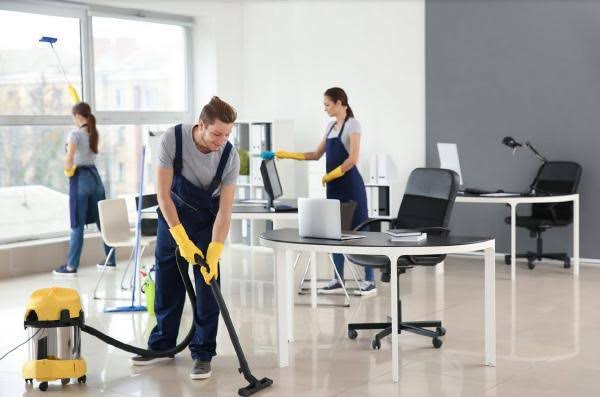
Clean offices support healthier staff, steadier attendance, and stronger daily performance. Professional cleaners follow measured routines instead of relying on visual appearance alone. They assess touch points, air movement, washroom needs, and waste handling before work begins. Each task receives a clear method, frequency, and quality check. This approach gives managers visible evidence that hygiene receives consistent attention, even during busy periods. It also helps teams share responsibility for a safer workplace without adding cleaning duties to normal roles.
Local businesses often need a provider that can match cleaning frequency with occupancy, floor plans, and operating hours. A service such as Office Cleaning Services in Christchurch can organise scheduled visits, trained personnel, and documented checks for varied workplaces. That structure limits missed tasks while keeping entrances, shared desks, kitchens, and amenities ready for daily use. Managers gain a practical record of completed work.
Risk-Based Planning
Cleaning begins with a site review. Supervisors note high-contact surfaces, staff numbers, room use, flooring, and access limits. They then set visit timing around business activity. Reception counters may need attention each morning, while storage areas may require weekly service. This plan places effort where contact and contamination risks are greatest. It also prevents a generic checklist from controlling every location.
Documented Routines
Written procedures turn expectations into repeatable actions. Each schedule states the area, task, product type, equipment, and required frequency. Staff can follow the same order across separate floors, reducing skipped steps. Supervisors compare completed lists with the agreed scope. Any gap receives a correction time and responsible person. Records also help managers review patterns before small issues become persistent hygiene concerns.
High-Touch Control
Door handles, lift buttons, tap controls, switches, shared devices, and desk edges receive focused attention. These points collect frequent contact throughout a working day. Cleaners use fresh cloths or changed sections to reduce transfer between rooms. Product contact time is followed according to label instructions. A final visual check confirms that residue, dust, and visible marks have been removed.
Washroom Standards
Washrooms require a separate control process. Staff clean toilets, basins, partitions, dispensers, mirrors, floors, and touch points in a logical order. Supplies are checked before the area reopens. Odour, moisture, and blocked drainage can signal a deeper problem, so findings are reported promptly. Frequent inspections protect comfort while reducing conditions that support bacterial growth.
Safer Product Use
Professional teams select chemicals according to surface material and cleaning purpose. Labels guide dilution, storage, application, and contact time. Separate tools help prevent movement from washrooms into food or office areas. Gloves and other protective equipment support safe handling. Ventilation matters after stronger applications. These controls protect surfaces, occupants, and cleaners while supporting reliable results.
Equipment and Waste
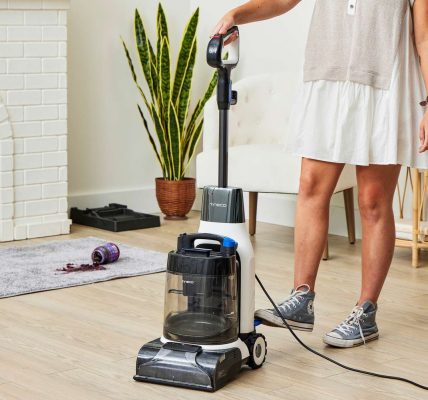
Effective hygiene depends on clean equipment. Vacuum filters, mop heads, buckets, cloths, and machines need regular inspection and care. Used materials are contained, removed, or laundered through an agreed process. Waste bins receive attention before overflow occurs, with liners replaced and surrounding floors checked. Good equipment control stops yesterday’s dirt from entering today’s workspace.
Quality Checks
Supervisors verify results through walk-throughs, checklist reviews, photographs, or client feedback. They compare findings against agreed standards rather than personal preference. Repeated concerns can lead to revised timing, extra training, or a different method. Clear reporting gives managers a useful audit trail. It also supports quick action when a spill, illness event, or building issue requires added attention.
Staff Training
Training covers hand hygiene, colour-coded tools, chemical labels, manual handling, and incident reporting. New cleaners practise each procedure before working alone. Refresher sessions address changed products, new surfaces, and recurring errors. Strong communication helps teams report hazards without delay. When every worker follows the same core process, service quality becomes easier to measure across different shifts.
Air and Shared Spaces
Open-plan rooms need more than dust removal. Teams check vents, ledges, meeting tables, shared keyboards, and break areas according to use. Dust control supports cleaner breathing zones, while prompt spill removal limits odours and slip risks. Windows and ventilation settings remain a building-management matter, yet cleaners can report blocked grilles or visible buildup. Shared spaces then stay fresher between visits.
Conclusion
High hygiene standards come from planned work, suitable products, trained staff, and regular verification. Professional cleaners connect each activity with a clear risk, frequency, and outcome. Managers can support results by sharing access information, reporting changes, and reviewing service records. This partnership keeps routines relevant as occupancy shifts. With dependable checks in place, workplaces present a cleaner, safer setting for staff, visitors, and daily operations. Small corrections are handled before they affect wider areas or shared facilities.